

Drain Repairs Brisbane: Common Causes, Repair Costs and Warning Signs
A homeowner in Ashgrove recently showed me a patch of lawn that stayed soggy for weeks, even after a run of dry weather. They thought it was just poor drainage until the gurgling started inside the bathroom every time the washing machine emptied. That’s the sort of drain repairs Brisbane job I see all the time, Professional drain repairs Brisbane services can often identify these issues before they become major excavation projects. and it usually starts with a small problem that quietly gets worse before anyone realises what’s happening. If you’re already hearing strange noises from your pipes or noticing slow drains around the house, it’s worth understanding what’s causing it before the damage spreads.
If you’re unsure where the water is escaping, our leak detection services Brisbane can help pinpoint the problem before unnecessary excavation begins.
Why Drains Fail in Brisbane
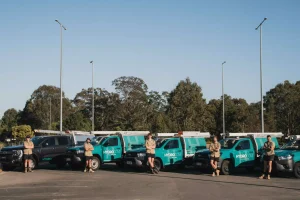
Most drain repairs Brisbane jobs don’t begin with a dramatic pipe collapse. They start with years of gradual wear that homeowners never see because the pipework is buried beneath gardens, driveways or concrete slabs. Across suburbs like Indooroopilly and Kenmore I regularly work on post-war brick homes where the original earthenware drains have simply reached the end of their working life, while in newer estates it’s more common to find plastic pipe joints disturbed by ground movement or poor installation.
Brisbane’s reactive clay soils expand during wet periods and shrink again through extended dry weather, placing constant stress on underground drainage until small cracks begin to appear.
Tree roots are another major reason homeowners end up needing drain repairs Brisbane. Many drain repairs Brisbane projects involve a combination of ageing pipes and root intrusion rather than a single isolated fault. Mature poincianas, gums and jacarandas send fine roots towards moisture, and even the smallest crack in a sewer or stormwater pipe becomes an invitation for those roots to grow inside the drain. Once they’re established, they trap toilet paper, grease and other debris until the blockage becomes impossible to ignore. Many of the homes I visit in Paddington and New Farm have beautiful established gardens, but those same mature trees can quietly create expensive drainage problems beneath the property.
Grease and food waste cause plenty of trouble as well, especially in family homes where kitchen sinks work hard every day. Hot grease might disappear down the sink as a liquid, but it cools quickly inside the pipe and sticks to the walls, gradually reducing the opening until water can’t flow freely anymore. By the time the kitchen sink starts backing up, the blockage has often been building for months. If the issue turns out to involve damaged pipework rather than a simple blockage, our guide to leaking showers Brisbane also explains how hidden water damage can affect surrounding building materials.
Stormwater systems deserve attention too because Brisbane’s summer downpours expose weaknesses fast. I’ve attended plenty of call-outs in Wynnum after heavy rain where blocked pits, cracked stormwater pipes and collapsed sections underground caused water to back up around the home instead of draining away. What looks like surface flooding often has its origin beneath the ground, and waiting until the next storm rarely makes the repair any cheaper.
Warning Signs You Shouldn’t Ignore
Most homeowners don’t wake up one morning needing drain repairs Brisbane. The warning signs usually appear gradually, and the earlier you recognise them the better your chances of avoiding excavation or major pipe replacement. Slow-draining showers, toilets that bubble when another fixture is used, unpleasant smells around outdoor inspection openings and damp patches that never seem to dry all point towards drainage issues developing below the surface.
I’ve lost count of how many times someone has apologised for calling me over “a small problem” only for the camera inspection to reveal a cracked pipe full of invading tree roots.
Older Queenslander homes around Red Hill and Taringa often develop additional symptoms because timber floors react to long-term moisture beneath the house. Instead of seeing water immediately, homeowners notice musty smells, higher humidity underneath the floor or soft soil around the drainage line. Those clues tell me the problem has probably been there longer than anyone realised. Catching it early almost always gives you more repair options.
| Early-stage drain problem | Advanced drain failure |
| Water drains slowly from one fixture | Multiple fixtures backing up together |
| Occasional gurgling noises | Frequent sewage odours inside or outside |
| Small damp patch in the yard | Standing wastewater around inspection openings |
| Localised pipe repair often possible | Partial or full drain replacement may be required |
| Lower repair costs when addressed promptly | Higher costs due to excavation and property reinstatement |
One thing I’ve learnt after years working across Chermside, Ashgrove and Indooroopilly is that underground drains rarely repair themselves. Every month the damaged section stays in service, more soil washes into the pipe or more roots force their way through the opening. Acting while the problem is still localised usually keeps both the disruption and the repair bill much lower than waiting until the drain finally collapses.
What Happens If You Wait
I’ve seen plenty of homeowners hope a blocked or damaged drain will somehow clear itself after heavy rain, but that’s rarely how it plays out. Most drain repairs Brisbane jobs become more expensive because the first warning signs were ignored for months rather than days. A small crack that originally allowed a few tree roots inside eventually opens further as the surrounding soil shifts, turning a straightforward repair into a section of pipe that needs replacing.
By the time I arrive, the problem has often spread well beyond the point where a simple fix would have been enough.
Older Queenslander homes in Paddington, Red Hill and Ashgrove are particularly vulnerable because many still rely on ageing drainage systems installed decades ago. Once wastewater begins escaping through damaged pipes, it doesn’t just disappear into the ground. The surrounding soil becomes saturated, timber stumps and bearers are exposed to ongoing moisture, and the extra movement beneath the house can affect other plumbing connections over time. I’ve crawled under plenty of these homes and found damp conditions that had existed for years without the owners realising what was happening beneath the floor.
Modern homes aren’t immune either. In suburbs like Kenmore and Chermside, leaking underground drains can gradually wash away the compacted soil supporting driveways, pathways and concrete slabs. I’ve attended jobs where the first thing the owner noticed wasn’t a blocked drain at all—it was a crack appearing across the driveway because the ground below had slowly eroded away.
That’s why I always recommend investigating unusual drainage symptoms sooner rather than later instead of assuming they’re isolated issues.
If damage extends beyond your drainage system and starts affecting other plumbing around the property, our guide to residential plumbing Brisbane explains how hidden water issues can spread through a home. It’s also worth checking guidance from the Queensland Building and Construction Commission if repairs involve significant building work or questions about licensed contractors. Having the right information early often saves homeowners both money and unnecessary stress.
How Professionals Repair Damaged Drains
The biggest mistake I see is digging before anyone knows what’s actually underground. Every professional drain repairs Brisbane job should begin with locating the exact fault using a CCTV drain camera rather than guessing where the problem might be.
The camera shows whether we’re dealing with tree roots, a cracked joint, a collapsed pipe, grease build-up or several issues happening at once. That information determines the repair method and avoids tearing up parts of the property that don’t need disturbing.
If the pipe itself is still structurally sound, a high-pressure water jet often clears roots, grease and accumulated debris without excavation. I always inspect the pipe again afterwards because removing the blockage doesn’t repair the crack that allowed it to develop in the first place. Skipping that second inspection is one reason some homeowners end up calling another plumber six months later with exactly the same problem.
Where the camera reveals broken sections or collapsed pipework, excavation becomes the safest long-term solution. The damaged section is removed, new PVC drainage pipe is installed to the correct fall, joints are pressure-tested where required, and the trench is carefully backfilled to provide proper support around the new pipe. On older Brisbane properties, I also check neighbouring sections because replacing only the obvious break isn’t much help if another weakened section is likely to fail next year.
Technology has improved the way we approach many repairs as well. Pipe relining can sometimes restore damaged drains without extensive excavation, particularly where access is difficult beneath driveways or landscaped gardens. It’s not suitable for every situation, though, and I only recommend it after confirming the existing pipe has enough structural integrity to support the liner. The right repair depends on the condition of the drain, not whichever method happens to be quickest.
Drain Repair Costs in 2026
The question almost every homeowner asks after hearing they need drain repairs Brisbane is, “How much is this going to cost?” The honest answer is that underground drainage isn’t priced from the surface because two properties with identical symptoms can have completely different faults once the camera goes into the pipe.
That’s why experienced plumbers investigate first and quote second instead of offering fixed prices over the phone.
A straightforward blockage cleared with high-pressure jetting and a camera inspection is naturally far less expensive than excavating beneath a driveway to replace collapsed drainage. Costs also increase if the damaged pipe sits beneath concrete, retaining walls or established landscaping that needs careful reinstatement afterwards. Homes built before the late 1980s sometimes uncover older pipe materials or unexpected site conditions that simply aren’t visible until excavation begins.
Tree root damage varies enormously as well. I’ve repaired drains where a single cracked joint needed replacing and the remainder of the line was still in excellent condition. On other properties around New Farm and Taringa, every section of ageing earthenware pipe had deteriorated to the point where replacing the full run made far more financial sense than carrying out repeated spot repairs over the following few years.
The best outcome always comes from identifying the fault early while the damage is still limited. Most homeowners are relieved once they understand exactly what’s wrong, what needs repairing and why the recommended solution matches the condition of their drainage system rather than following a one-size-fits-all approach. That’s the difference between fixing today’s problem properly and creating another call-out for the same drain next year.
Conclusion:
Most drain repairs Brisbane jobs I attend could have been simpler if someone had acted sooner. Investing in professional drain repairs Brisbane at the first sign of trouble usually saves both time and money. Gurgling pipes, recurring blockages and damp ground aren’t just everyday annoyances—they’re often your drainage system telling you something has changed underground. The sooner the cause is identified, the more repair options you’ll usually have available. A proper inspection gives you clear answers instead of guesswork and helps prevent avoidable damage to your home.
If you’re dealing with slow drains, sewage smells or recurring blockages anywhere around your Brisbane property, don’t wait until the pipe fails completely. At Hydrocove Plumbing, we use professional drain cameras, accurate fault diagnosis and long-lasting repair methods to fix the cause rather than the symptoms. Whether it’s a cracked pipe, invasive tree roots or an ageing drainage system that’s reached the end of its service life, we’ll explain exactly what we’ve found and recommend the most practical solution.
If you’d like experienced advice or need to book an inspection, contact us and we’ll help you get your drainage system back to working the way it should.
Frequently Asked Questions
-
How do I know if I need professional drain repairs?
Most drainage problems give you a few warning signs before they become serious. If you've noticed slow drains, bad smells, recurring blockages or wet patches in the yard, it's worth having the drains inspected with a CCTV camera. Catching the problem early is usually far less expensive than waiting until a pipe collapses.
-
Can tree roots damage underground drains?
They certainly can, and it's one of the most common reasons I carry out drain repairs across Brisbane. Fine roots find their way through tiny cracks or loose joints, then expand inside the pipe until wastewater can't flow properly. Removing the roots without repairing the damaged section usually means they'll return.
-
How long do drain repairs usually take?
A simple repair can often be completed within a day once the fault has been located. Larger jobs involving excavation, pipe replacement or reinstating driveways and landscaping may take several days depending on site conditions. I'll always explain the expected timeframe before work begins so there aren't any surprises.
-
Will my home insurance cover drain repairs?
It depends on the cause of the damage and the terms of your policy. Sudden accidental damage may be covered, while gradual deterioration, ageing pipes and lack of maintenance are commonly excluded. If you're considering a claim, photographs, CCTV footage and a plumber's report can make the assessment process much easier.
-
How can I reduce the chance of future drain problems?
Regular maintenance goes a long way towards preventing major repairs. Avoid pouring fats and oils down the kitchen sink, keep large trees away from drainage lines where practical and organise a professional inspection if you notice recurring blockages or unusual smells. Small issues are much easier to manage before they become expensive excavation jobs.
